
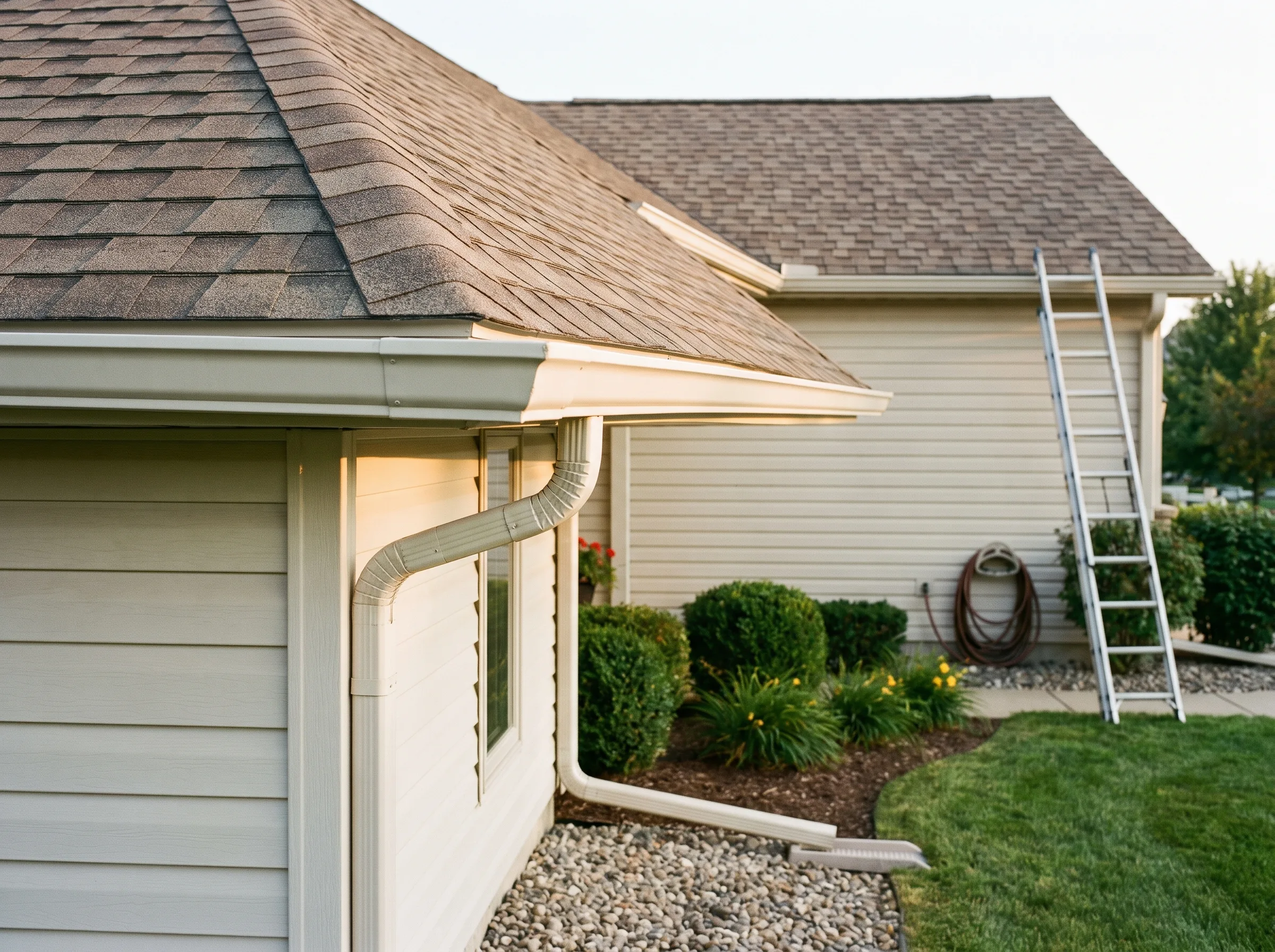
Why Your Home Needs Regular Gutter Cleaning
Gutters act as a vital barrier protecting your home from water damage, but only when kept clear. Routine gutter cleaning prevents blockages that silently destroy foundations, walls, and roofing materials.
TABLE OF CONTENTS
- Why Your Home Needs Regular Gutter Cleaning
- What Gutter Cleaning Actually Involves
- How Clogged Gutters Damage Your Roof and Walls
- The Connection Between Gutter Cleaning and Foundation Protection
- How Debris Buildup Leads to Fascia and Soffit Deterioration
- Why Gutter Cleaning Prevents Ice Damming in Winter
- What Professional Gutter Cleaning Includes Beyond Debris Removal
- How Regular Gutter Cleaning Extends the Lifespan of Your Roofing Materials
- Signs That Your Home Is Overdue for Gutter Cleaning
- How Often You Should Schedule Gutter Cleaning
- Why Professional Gutter Cleaning Outperforms DIY Approaches
- How Gutter Cleaning Fits Into a Comprehensive Property Maintenance Plan
Why Your Home Needs Regular Gutter Cleaning
Your gutters do far more than catch falling leaves. They form a critical barrier between rainwater and every vulnerable part of your home - the foundation, fascia, walls, and roofing materials. When that barrier fails, water finds its way into places it was never meant to reach.
When Gutters Fail, Structures Suffer
Blockages force water to overflow and pool around the foundation, accelerating soil erosion and inviting moisture damage deep into the structure. In colder climates, trapped debris contributes to ice damming, which can lift and crack roofing materials from below. The damage rarely stays contained - it spreads silently through walls, soffits, and load-bearing elements.
Prevention Costs Far Less Than Repair
Routine gutter cleaning breaks this cycle before it starts. Keeping drainage clear and unobstructed is one of the simplest, most effective ways to protect your entire property from the kind of water damage that compounds quietly - until it can no longer be ignored.
What Gutter Cleaning Actually Involves
Most homeowners picture gutter cleaning as a quick pass with a garden trowel. In reality, a thorough service covers several distinct stages that work together to restore full drainage capacity.
Clearing the Channels
The work starts at the gutters themselves - technicians remove compacted leaves, twigs, and sediment by hand or with specialist tools. Blockages are rarely limited to obvious leaf piles; fine debris and organic matter build up silently in corners and along seams.
Testing the Full System
Once the channels are clear, downspouts are flushed with water to confirm the flow runs freely from roof to ground. A professional also inspects for sagging sections, leaks, and failing joints:
- Downspout blockages are cleared to prevent water backing up toward the fascia
- Joints and seams are checked for separation or corrosion
- The pitch of each channel is verified so water drains toward the outlet, not away from it
How Clogged Gutters Damage Your Roof and Walls
When water has nowhere to go, it finds its own path - and that path is rarely a good one. A blocked gutter forces rainwater to back up along the roofline, seeping beneath shingles and into the underlayment. Moisture trapped in those layers degrades roofing materials far faster than ordinary weathering ever would.
Walls Pay the Price Too
Overflow does not stop at the roof. Water cascading down exterior walls soaks into brickwork, siding, and render, weakening mortar joints and inviting mould behind the surface. What starts as a minor trickle can quietly compromise entire wall sections over a single wet season.
Prevention Starts at the Gutter
Routine gutter cleaning cuts off this chain of damage before it begins. Keeping channels clear means water moves where it should - away from the structure - rather than pooling against the very materials it is designed to protect.
The Connection Between Gutter Cleaning and Foundation Protection
When gutters overflow, water doesn't simply run off harmlessly. It pools directly at the base of the building, where it slowly saturates the surrounding soil. That persistent moisture weakens the ground's ability to support the structure above it, leading to erosion, gradual settling, and - over time - serious structural instability.
Soil Saturation and Settling
The soil around your foundation acts as a cushion. Once it becomes waterlogged and eroded, that cushion compresses unevenly, causing the foundation to shift. Cracks appear in walls, doors stick, and floors lose their level. These are not cosmetic issues - they are warning signs of a compromised structure.
Prevention Starts at the Roof
Routine gutter cleaning keeps water moving away from the building efficiently, protecting the soil and foundation below. Addressing the drainage system before problems begin is far simpler - and far less disruptive - than repairing structural damage after the fact.
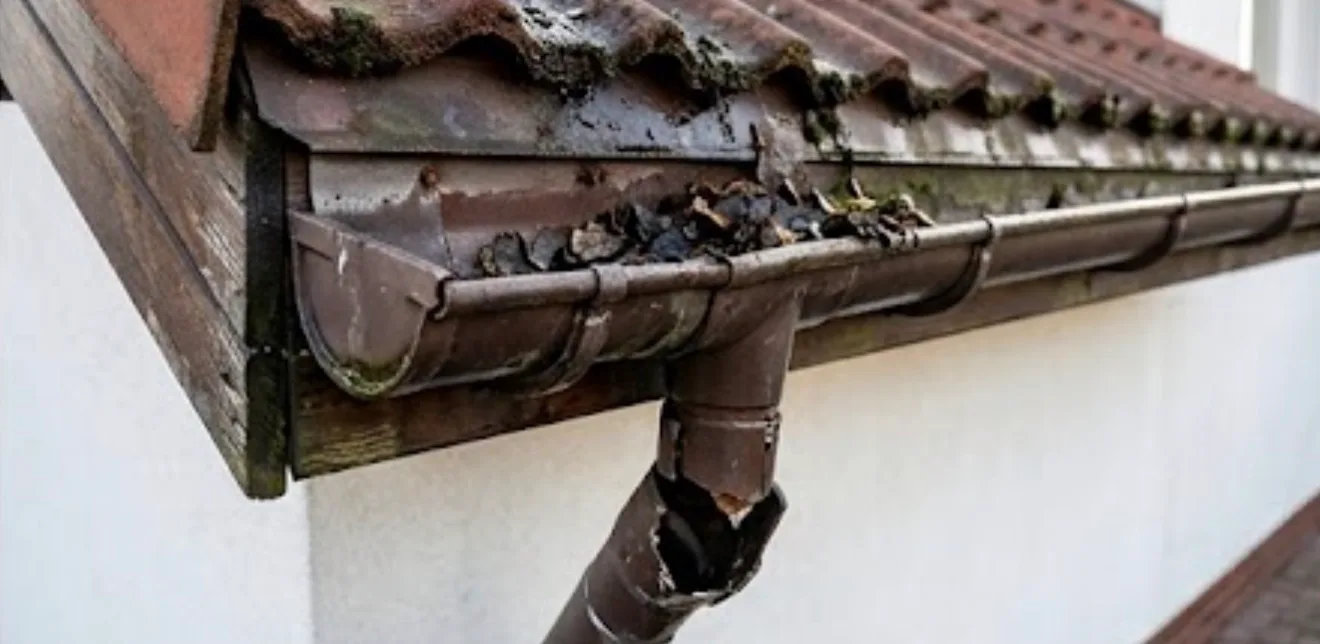
How Debris Buildup Leads to Fascia and Soffit Deterioration
When leaves, twigs, and dirt accumulate inside gutters, they retain moisture and press damp, heavy matter directly against fascia and soffit boards. These wooden structures form the critical edge of your roof system, and prolonged exposure to wet debris is precisely what causes them to rot, warp, and weaken over time.
Moisture Trapped Against Wood
Once water cannot drain freely, it saturates the debris and keeps fascia and soffit boards in constant contact with moisture. This creates ideal conditions for mould growth, material breakdown, and structural weakening that can spread inward toward roof supports.
A Chain Reaction of Damage
Without routine gutter cleaning, what begins as a minor blockage gradually compromises the entire roof edge. Rotting fascia boards lose their ability to hold gutter brackets securely, which causes gutters to pull away - allowing even more water to reach areas it should never touch.
Why Gutter Cleaning Prevents Ice Damming in Winter
Winter creates unique challenges for roofs. When snow begins to melt, meltwater needs a clear path downward. Clogged gutters trap that water at the roof's edge, where dropping temperatures cause it to refreeze - forming ice dams that force moisture under shingles and deep into the roof structure itself.
How Ice Dams Form and Spread
Debris-filled gutters create the ideal conditions for ice damming:
- Meltwater pools at the eave line instead of draining freely
- Pooled water refreezes, building a ridge of ice that grows with each freeze-thaw cycle
- Trapped moisture seeps beneath shingles, damaging insulation and interior structures
Prevention Starts Before Winter
Routine gutter cleaning removes the blockages that trigger this cycle entirely. With clear drainage channels, meltwater flows away from the roof edge before temperatures drop far enough to cause refreezing - protecting shingles, fascia, and the structural integrity of the entire roof system through the coldest months.
What Professional Gutter Cleaning Includes Beyond Debris Removal
Most homeowners think of gutter cleaning as simply clearing out leaves and debris - but a professional service goes considerably further than that.
A Full Structural Inspection
Trained technicians examine every component of the gutter system while they work, looking for issues that are easy to miss from the ground:
- Cracks and splits in gutter channels that allow water to seep into fascia boards
- Sagging sections caused by weakened brackets or accumulated weight
- Loose fasteners that compromise the system's attachment to the roofline
- Early signs of corrosion or separation at joints and seams
Catching Problems Before They Escalate
Identifying these issues early means minor repairs rather than costly replacements. A professional inspection connects what's happening inside the gutter to the health of the roof, walls, and foundation beneath - turning a routine cleaning visit into a full diagnostic check for your home's water management system.
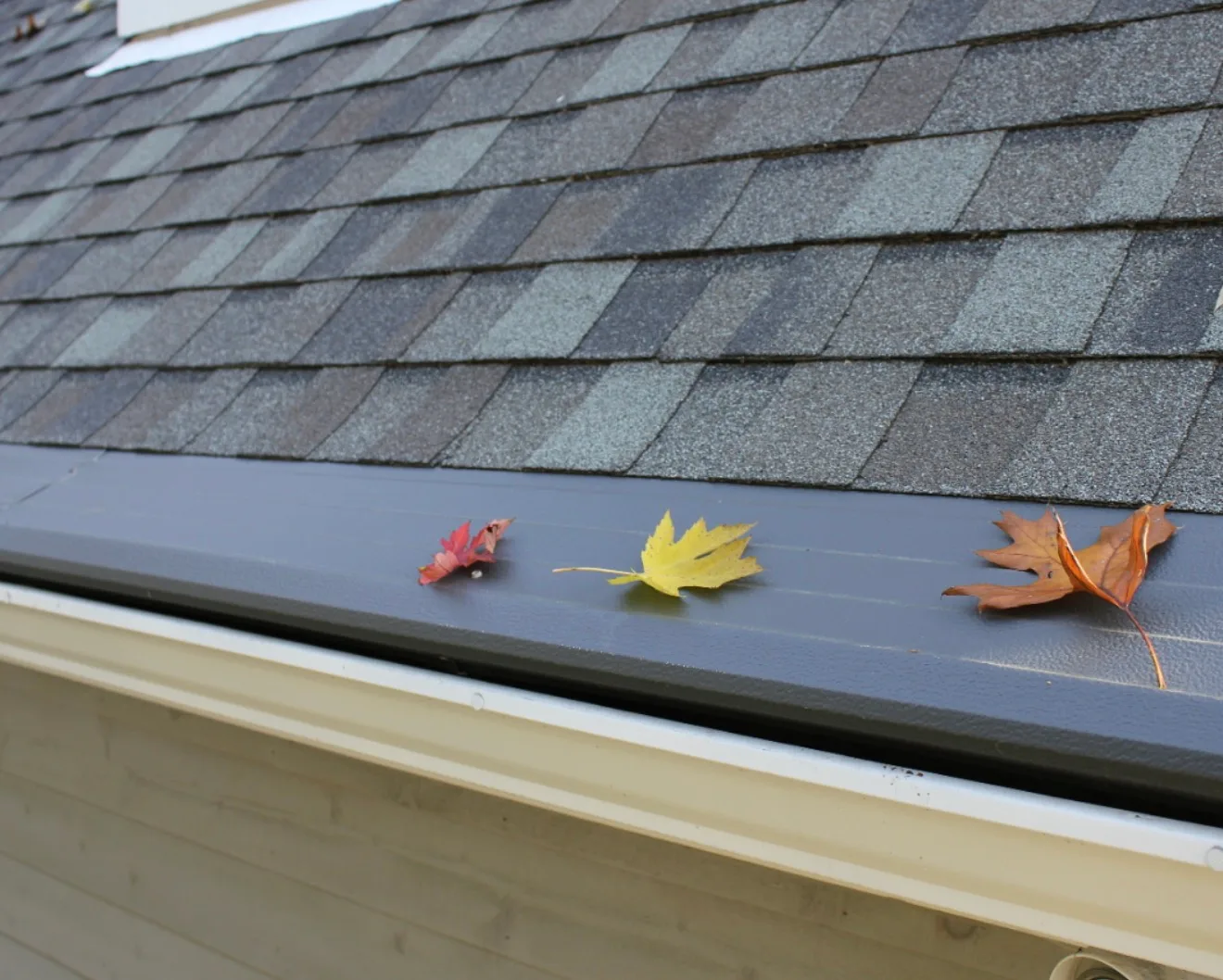
How Regular Gutter Cleaning Extends the Lifespan of Your Roofing Materials
Your roof's lifespan depends on more than the quality of shingles installed - water management plays an equally critical role. When gutters are blocked, rainwater backs up and seeps beneath roofing materials, saturating the underlayment and accelerating its deterioration. Shingles exposed to persistent moisture warp, crack, and lose their protective granules far sooner than they should.
Water Backup Damages Underlayment
The underlayment acts as your roof's last line of defense against moisture. Overflowing water - driven by clogged gutters - pushes under shingles and compromises this layer, creating conditions for rot, mold, and structural weakening. Once the underlayment fails, damage spreads rapidly and repairs become costly.
Let Materials Perform as Designed
Routine gutter cleaning removes the debris that triggers these problems before they take hold. With water draining freely and consistently, shingles and underlayment experience far less stress, allowing your entire roofing system to reach the full service life its manufacturer intended.
Signs That Your Home Is Overdue for Gutter Cleaning
Your gutters are quietly communicating with you - and ignoring those signals can lead to serious structural damage. A few telltale signs suggest that professional gutter cleaning is long overdue.
What You Can See from the Ground
Look for water stains streaking down your siding - a clear indicator that water is spilling where it should not. Soil erosion directly below the roofline, muddy splash marks near the foundation, and visible plant growth sprouting from the channels all point to blockages that have been building for some time.
During and After Rainfall
The most revealing test happens on a rainy day. If water cascades over the sides rather than flowing through the downspouts, your gutters are blocked. Sagging or pulling sections suggest accumulated weight pressing against the fascia - another warning sign that immediate attention is needed before the damage spreads further.
How Often You Should Schedule Gutter Cleaning
Most homeowners don't think about their gutters until something goes wrong - water spilling over the edge or damage appearing on the fascia board. The key is to stay ahead of seasonal debris cycles rather than react after problems develop.
Autumn Is the Critical Window
Once leaves have fallen, gutters fill up surprisingly fast. Waiting too long means standing water, added weight on the channels, and potential structural damage before winter sets in. A thorough clean-out at the end of the season is essential for any property surrounded by trees.
Other Moments That Demand Attention
Beyond autumn, certain events signal it's time to check your drainage system:
- After major storms, when wind and rain can deposit large amounts of debris in just hours.
- In spring, when blossoms and pollen accumulate and compact inside the channels.
- Whenever large trees overhang the roofline, as they shed debris throughout the year.
Scheduling gutter cleaning around these key seasonal moments ensures water always has a clear path away from your home.
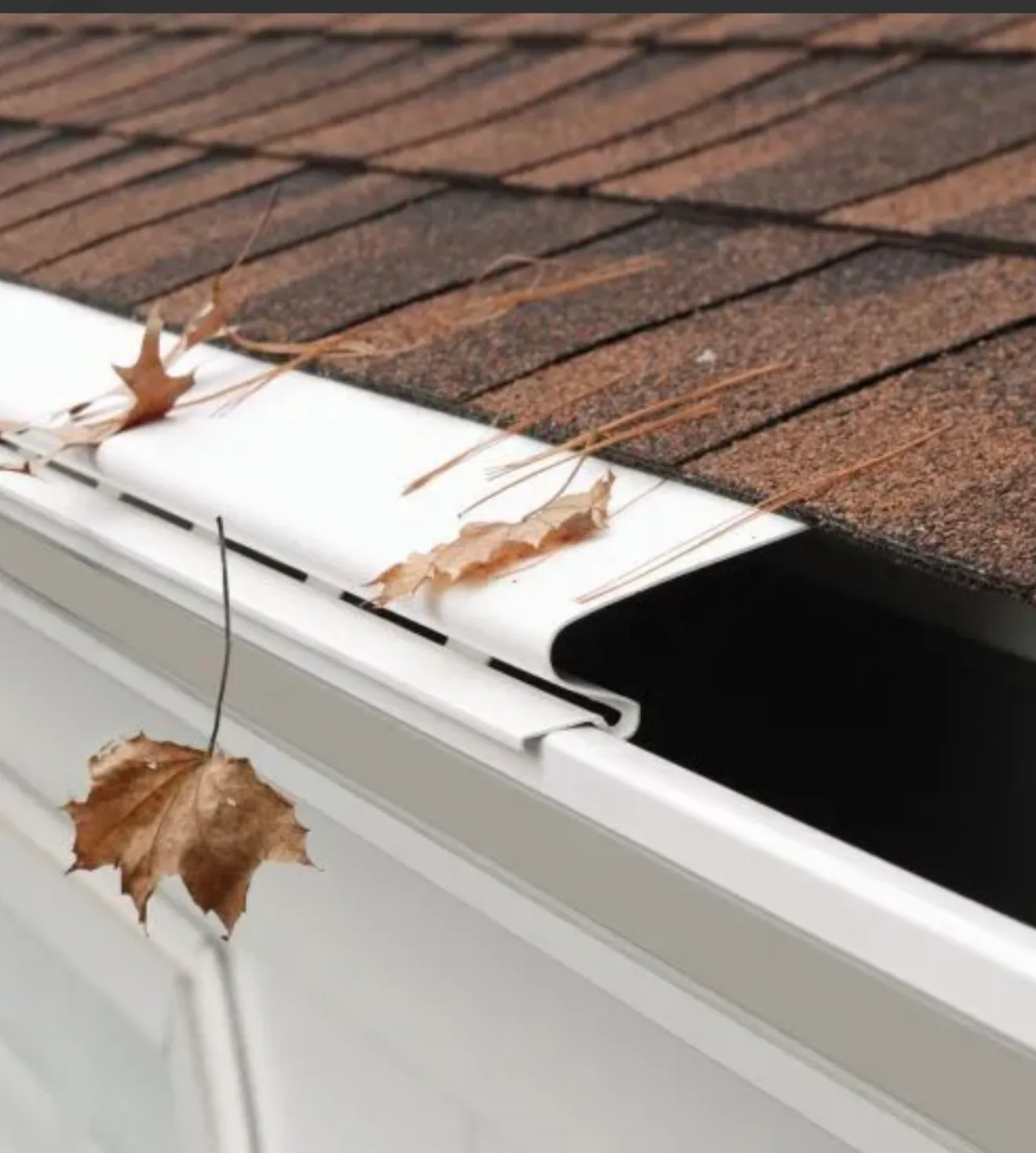
Why Professional Gutter Cleaning Outperforms DIY Approaches
Climbing a ladder with a bucket and garden hose sounds straightforward - until it isn't. Roof-edge work carries real fall risks, especially on wet or uneven surfaces. What looks like a quick DIY fix can quickly become a dangerous situation that no clean gutter is worth.
Hidden Damage Only Experts Catch
Professional gutter cleaning goes beyond scooping out leaves. Trained technicians inspect while they work, identifying cracks, sagging sections, loose brackets, and early signs of water damage that an untrained eye easily misses. Catching these issues early prevents far costlier repairs down the line.
The Right Tools for the Job
Professionals arrive equipped with:
- Specialised vacuums and high-pressure flushing tools that clear debris far more thoroughly than a garden hose
- Safety harnesses and stabilising ladder equipment designed specifically for roof-edge work
- Inspection tools to detect leaks or structural weakness invisible from the ground
The result is a job done safely, completely, and with a level of precision that a DIY approach simply cannot match.
How Gutter Cleaning Fits Into a Comprehensive Property Maintenance Plan
Gutter cleaning rarely stands alone - it belongs to a network of maintenance tasks that collectively keep a property sound. When gutters work well, they protect roofing materials from water backup, shield fascias and soffits from moisture, and direct runoff safely away from the foundation and landscaping. Neglect this one link and the entire chain weakens.
Tasks That Work Together
A thoughtful maintenance plan connects several systems:
- Roof inspections catch damage early, and clear gutters prevent that damage from worsening through standing water.
- Foundation checks stay meaningful only when drainage around the building is functioning as intended.
- Landscaping remains intact when water is channelled away rather than allowed to pool and erode soil.
One Service, Whole-Property Impact
Scheduling regular gutter cleaning alongside seasonal roof checks and exterior inspections creates a consistent defence against the gradual wear that shortens a building's lifespan and turns small, preventable issues into costly structural repairs.