
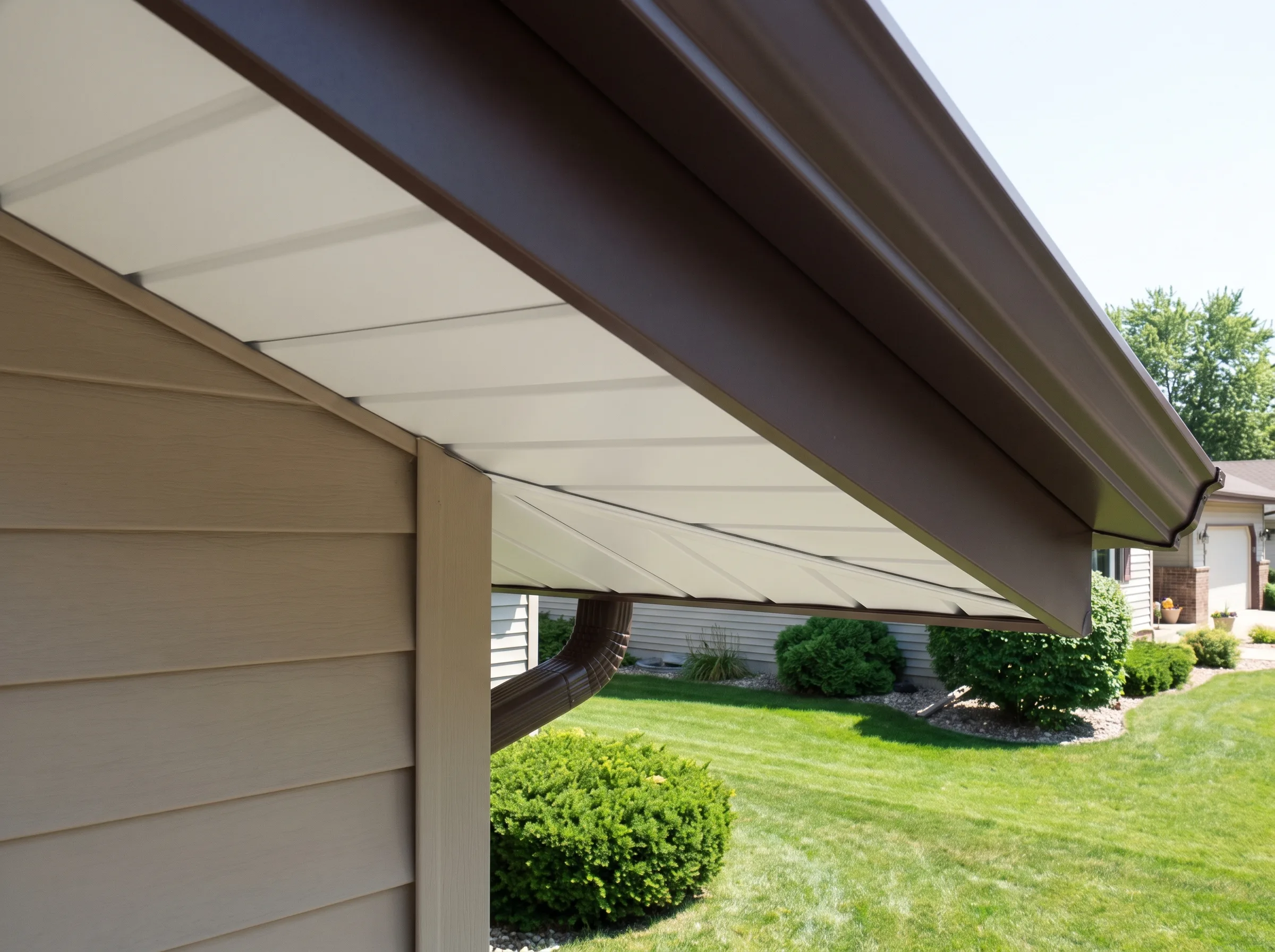
The Essential Guide to Soffit Repair
The soffit quietly protects your home from moisture, pests, and poor ventilation - but when it deteriorates, soffit repair becomes essential to preventing damage that spreads far beyond the overhang.
TABLE OF CONTENTS
- The Essential Guide to Soffit Repair
- What Is Soffit and Why Does Soffit Repair Matter?
- Common Causes of Soffit Damage
- Warning Signs That Your Home Needs Soffit Repair
- How Professionals Assess the Extent of Soffit Repair
- Soffit Repair vs. Full Replacement: How to Choose
- Weather-Resistant Materials Used in Soffit Repair
- The Soffit Repair Process Explained Step by Step
- How Soffit Repair Protects Attic Ventilation
- Preventing Pest Intrusion Through Timely Soffit Repair
- The Connection Between Soffit Repair and Roof Structural Health
- How Neglected Soffit Damage Affects Adjacent Systems
- When to Call a Professional for Soffit Repair
- Maintaining Your Soffit After Repairs to Prevent Future Damage
- FAQ - Frequently Asked Questions
The Essential Guide to Soffit Repair
Your roof gets all the attention, but the soffit quietly does the heavy lifting. Tucked beneath the overhang, this horizontal element shields your home from moisture, deters pests, and keeps attic air circulating properly. When it fails, the damage rarely stays local.
Why Soffit Problems Spread
Neglected deterioration can cascade into framing, roofing systems, and interior walls before most homeowners notice anything wrong. Understanding soffit repair - what it involves and when to act - is the first step toward protecting your property from the inside out.
What This Guide Covers
This resource walks you through everything you need to know:
- How to identify early signs of soffit damage before they escalate
- What professional assessment and restoration actually involve
- Which materials hold up best against local weather conditions
- How timely action prevents costly emergency interventions down the road
What Is Soffit and Why Does Soffit Repair Matter?
Most homeowners rarely glance up at the edge of their roof - yet the narrow panel running beneath the overhang quietly performs two critical jobs. Known as the soffit, it seals the gap between the roofline and the exterior wall, blocking moisture, wind-driven debris, and pests from reaching the structural framing underneath.
Ventilation Hidden in Plain Sight
Soffit also regulates airflow into the attic. Without it, heat and moisture accumulate, accelerating deterioration of insulation, rafters, and roof sheathing. This makes it a functional component, not merely a finishing detail.
Why Neglect Compounds the Problem
Damage from prolonged moisture exposure, pest infiltration, or physical impact quietly compromises both protective functions at once. Timely soffit repair prevents minor deterioration from cascading into the roofing system and structural framing - safeguarding the long-term integrity of the entire building rather than addressing a single isolated failure.
Common Causes of Soffit Damage
Soffit damage rarely happens overnight. In most cases, it results from a combination of ongoing stressors that slowly erode the material until professional soffit repair becomes unavoidable. Understanding the root causes helps homeowners catch problems early and protect their property from deeper structural harm.
Moisture, Pests, and Poor Installation
Some of the most destructive culprits work silently over time:
- Prolonged moisture exposure saturates the material, causing rot, warping, and mold growth beneath the roofline.
- Pest activity - including birds, wasps, and rodents - creates entry points that expand with every season.
- Improper installation leaves gaps and weak joints that allow water and debris to infiltrate from the start.
Impact and Environmental Weathering
Physical collisions from ladders, falling branches, or debris can crack or dislodge soffit panels in an instant. Meanwhile, relentless exposure to UV rays, wind, and temperature swings gradually weakens even well-installed materials, making routine inspection and timely soffit repair essential.
Warning Signs That Your Home Needs Soffit Repair
Your home sends clear distress signals long before structural damage becomes critical. Learning to read these early warnings can mean the difference between a straightforward fix and a costly full replacement.
What to Look for Outside
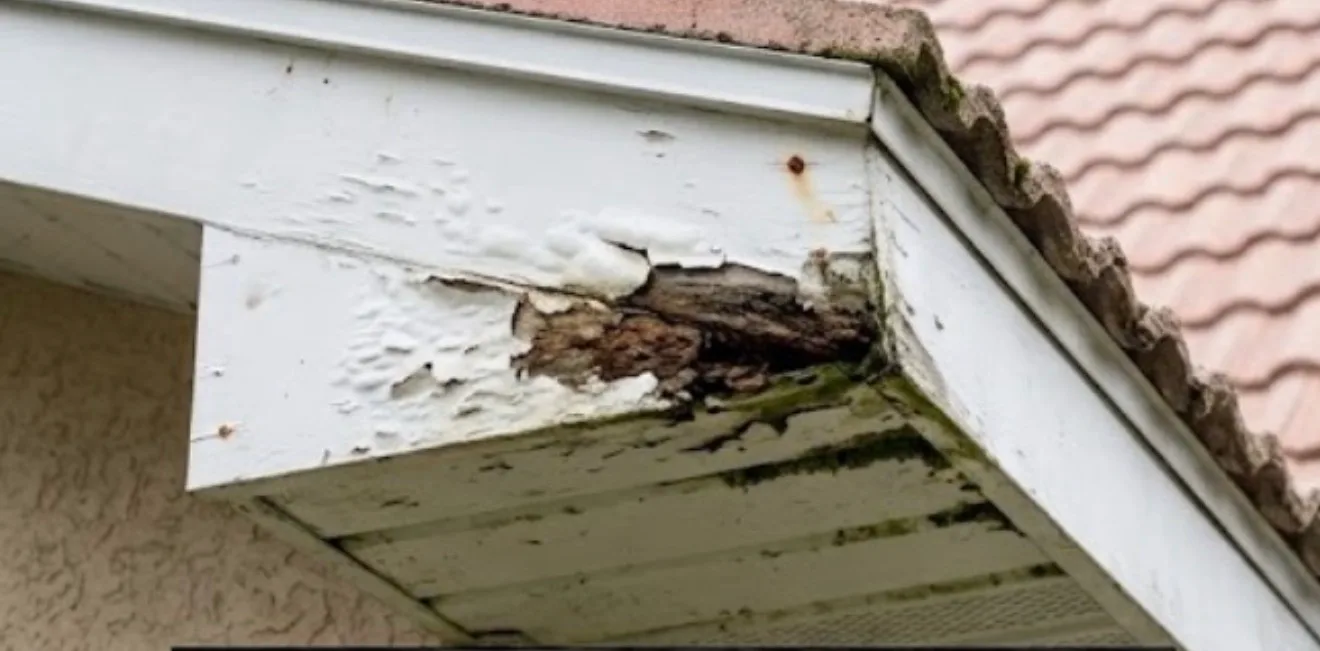
Walk the perimeter of your home and scan the roofline carefully. Visible cracks, sagging panels, or sections pulling away from the fascia all point to underlying deterioration. Peeling paint and dark staining are strong indicators that persistent moisture is already doing damage beneath the surface.
Signs You Should Never Ignore
- Visible gaps or holes where pests can enter and nest inside the roofline.
- Discoloration or water stains spreading across the soffit surface.
- Soft or spongy panels that flex when gently pressed.
- Noticeably reduced airflow in the attic during warmer months.
When these warning signs appear together, arranging a professional soffit repair promptly prevents the deterioration from spreading to adjacent framing and roofing components.
How Professionals Assess the Extent of Soffit Repair
A visible crack or sagging panel is rarely the whole story. Experienced contractors recognise that surface deterioration often signals deeper problems - compromised framing, saturated insulation, or pest activity concealed behind the facade. A thorough assessment begins at the surface but moves inward immediately, treating visible damage as a clue rather than the conclusion.
Reading Beyond the Surface
Before determining the scope of soffit repair, professionals examine the fascia board, roof decking, and adjacent framing. Key indicators they look for include:
- Discolouration or staining suggesting long-term water exposure
- Soft or spongy material indicating rot within the structure
- Blocked or damaged vents compromising attic airflow
- Evidence of pest entry points along the soffit line
Matching the Fix to the Cause
Without this layered evaluation, repairs address symptoms alone. A proper structural assessment ensures the solution targets the root cause directly - preventing the same deterioration from quietly returning.
Soffit Repair vs. Full Replacement: How to Choose
Not every damaged soffit calls for a complete overhaul. When deterioration is limited to a specific section - a cracked panel, a small area softened by moisture - targeted soffit repair restores full functionality without unnecessary expense. The key is honest assessment: how far has the damage spread, and is the surrounding material still sound?
When Damage Runs Deeper
If rot or moisture has reached the underlying framing, or if multiple sections show consistent failure, replacement becomes the smarter long-term choice. Patching over compromised structure only delays the inevitable and may create a cycle of repeated intervention.
Weighing Long-Term Value
Adjacent materials matter just as much as the damaged panel itself. Healthy fascia and intact framing support a repair; weakened surroundings often justify going further. Choosing replacement in those cases protects the broader roofing system and avoids escalating costs down the line.
Weather-Resistant Materials Used in Soffit Repair
Not every material survives the relentless cycle of rain, heat, and humidity. Professionals assess local climate conditions before selecting materials for soffit repair, ensuring each choice delivers lasting performance rather than a short-term patch.
Top Materials Professionals Choose
- Vinyl: lightweight, moisture-resistant, and low-maintenance across a wide range of temperatures
- Aluminium: rigid, corrosion-resistant, and particularly effective in regions with heavy or frequent precipitation
- Engineered wood: aesthetically versatile and treated to resist humidity and gradual weathering
- Fibre cement: exceptionally durable against impact, rot, and extreme seasonal weather cycles
Why the Right Choice Matters
A poorly matched material degrades faster than expected, allowing moisture to infiltrate the roof structure and trigger cascading damage to adjacent framing components. Weather-resistant materials, properly installed, maintain the attic ventilation the soffit is designed to support - safeguarding the property's structural health well beyond the initial repair.
The Soffit Repair Process Explained Step by Step
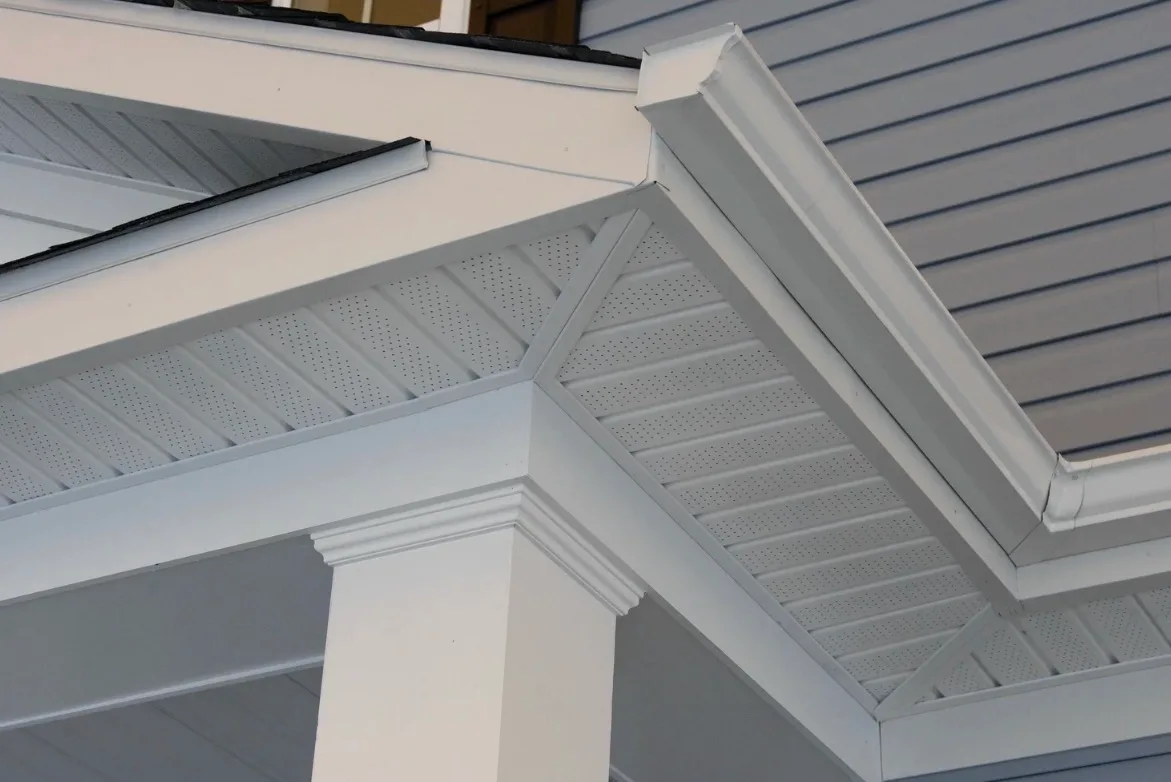
A successful soffit repair follows a clear, deliberate sequence that separates a lasting result from a short-lived patch. Professionals begin with a close assessment - inspecting not just visible damage, but the underlying structural integrity hidden beneath the overhang. Only once the full picture is clear does the hands-on work begin.
Cleaning and Reinforcing the Structure
The damaged area is first cleared of debris, moisture, and organic growth. Where the structure still holds, weakened sections are reinforced to prevent cascading deterioration into adjacent framing and roofing components.
Replacing, Sealing, and Finishing
- Sections beyond reinforcement are removed and replaced with weather-resistant materials matched to local climate conditions.
- Joints and edges are sealed to block moisture infiltration and deter pest entry.
- Ventilation openings are carefully restored to maintain consistent attic airflow.
Quality craftsmanship at every stage ensures the repaired soffit integrates seamlessly with the existing roofing system, protecting the property's structural health long into the future.
How Soffit Repair Protects Attic Ventilation
The soffit does more than close the gap between roofline and wall - it actively ventilates your attic. When soffit panels crack, rot, or become blocked by debris, that airflow disappears. Stale, trapped air grows warm and moisture-laden, quietly degrading insulation and weakening roof decking from below.
Ventilation That Works Again
Timely soffit repair restores the continuous airflow cycle every attic depends on. Fresh outside air enters through the soffit vents, travels upward, and exits through ridge or gable vents - carrying heat and humidity out with it. Without this cycle, summer heat builds to damaging levels while winter moisture condenses deep within structural framing.
Protecting Insulation and Roofing
Once ventilation fails, insulation loses its effectiveness and roofing materials begin to deteriorate prematurely. Restoring proper soffit function shields both systems, extending the lifespan of the entire roof assembly and preventing the kind of escalating damage that turns a straightforward maintenance task into a costly emergency.
Preventing Pest Intrusion Through Timely Soffit Repair
A damaged soffit does more than expose your home to weather - it sends an open invitation to unwanted guests. Even a hairline crack or a small gap where the soffit meets the fascia is enough for wasps, carpenter ants, and mice to establish a foothold. Once inside the attic cavity, pests can damage insulation, chew through wiring, and multiply rapidly before any visible signs appear indoors.
Small Gaps, Big Consequences
Rodents are remarkably resourceful - a gap barely wider than a pencil is sufficient for a mouse to squeeze through. Insects need even less. These vulnerabilities often go unnoticed during routine checks because the damage can be subtle and high above eye level.
Seal It Before They Settle
Timely soffit repair closes these entry points before an infestation takes hold. Professional assessment addresses not just the visible breach but also any underlying deterioration that could reopen after a superficial fix, delivering lasting protection for the entire structure.
The Connection Between Soffit Repair and Roof Structural Health
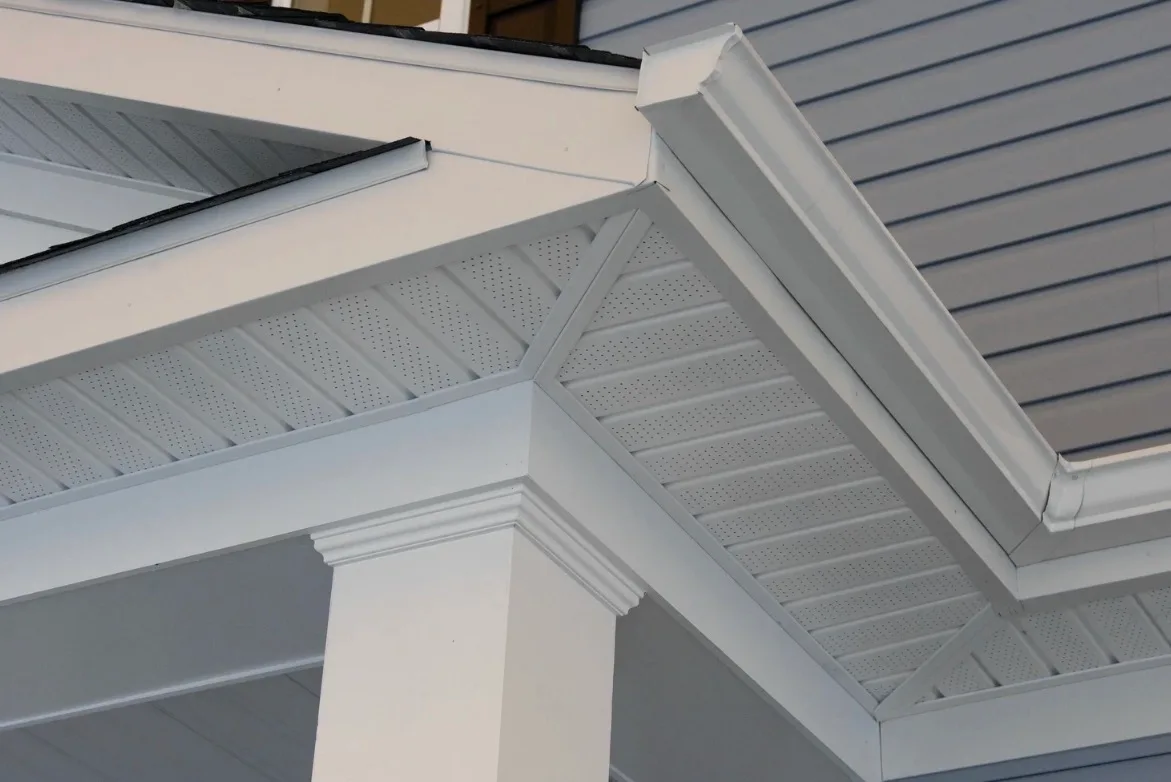
The soffit isn't just a finishing detail - it's a structural bridge between the roof edge and the exterior wall. When that bridge weakens, the damage rarely stays contained. Moisture seeps into adjacent framing, wood begins to rot, and what started as a surface problem quietly undermines the integrity of the entire roof assembly.
Damage That Spreads Silently
Neglected soffit issues trigger a chain reaction that grows more expensive with every passing season. The framing members supporting your roof depend on dry, stable conditions - conditions a compromised soffit can no longer guarantee.
Why Early Action Protects Structure
Investing in soffit repair early interrupts that cascade before it reaches the rafters, decking, or interior structure. Common structural risks include:
- Rotting fascia boards that destabilize the roof's edge support
- Water intrusion into the attic that weakens load-bearing framing
- Pest entry points that accelerate hidden structural deterioration
How Neglected Soffit Damage Affects Adjacent Systems
A single crack or soft patch in the soffit rarely stays a local problem. Moisture seeps into the gap, saturating the fascia board alongside it and softening the rafter tails above. Left unaddressed, that slow rot travels inward - staining ceilings, weakening structural framing, and creating warm, damp corridors that wasps, squirrels, and carpenter bees readily colonize.
The Cascade of Structural Damage
When wood fibers break down, they pull neighboring materials with them:
- Rotting fascia loses the grip that holds gutters in place, accelerating drainage failures across the entire roofline.
- Compromised rafter tails reduce the load-bearing connection between the roof deck and the exterior wall.
- Pest colonies nested inside the overhang chew through insulation and wiring, turning a straightforward soffit repair into a multi-trade emergency.
Why Early Action Saves More
Catching deterioration at its source keeps the damage contained. Once moisture has a clear path into the attic, remediation expands well beyond the overhang - and so does the bill. Timely soffit repair is, at its core, a defense for every system it touches.
When to Call a Professional for Soffit Repair
Minor scuffs or a small crack in a soffit panel might tempt a confident homeowner to grab a caulk gun and call it done. That instinct, however, can mask deeper problems that quietly grow into expensive structural failures.
Signs That Demand Expert Eyes
Professional soffit repair becomes necessary the moment damage moves beyond cosmetic surface issues. Watch for these clear warning signs:
- Soft, spongy material around the panels that indicates hidden rot beneath the surface.
- Visible pest entry points, nests, or tunnels running through the soffit material.
- Widespread sagging or separation affecting multiple sections of the overhang.
- Water stains spreading inward toward attic framing or interior ceilings.
Why Experience Matters Here
A seasoned contractor assesses not just what is visible but also the structural integrity of adjacent framing. Replacing damaged sections without addressing the underlying cause almost always leads to repeat failure - and a far greater repair bill the second time around.
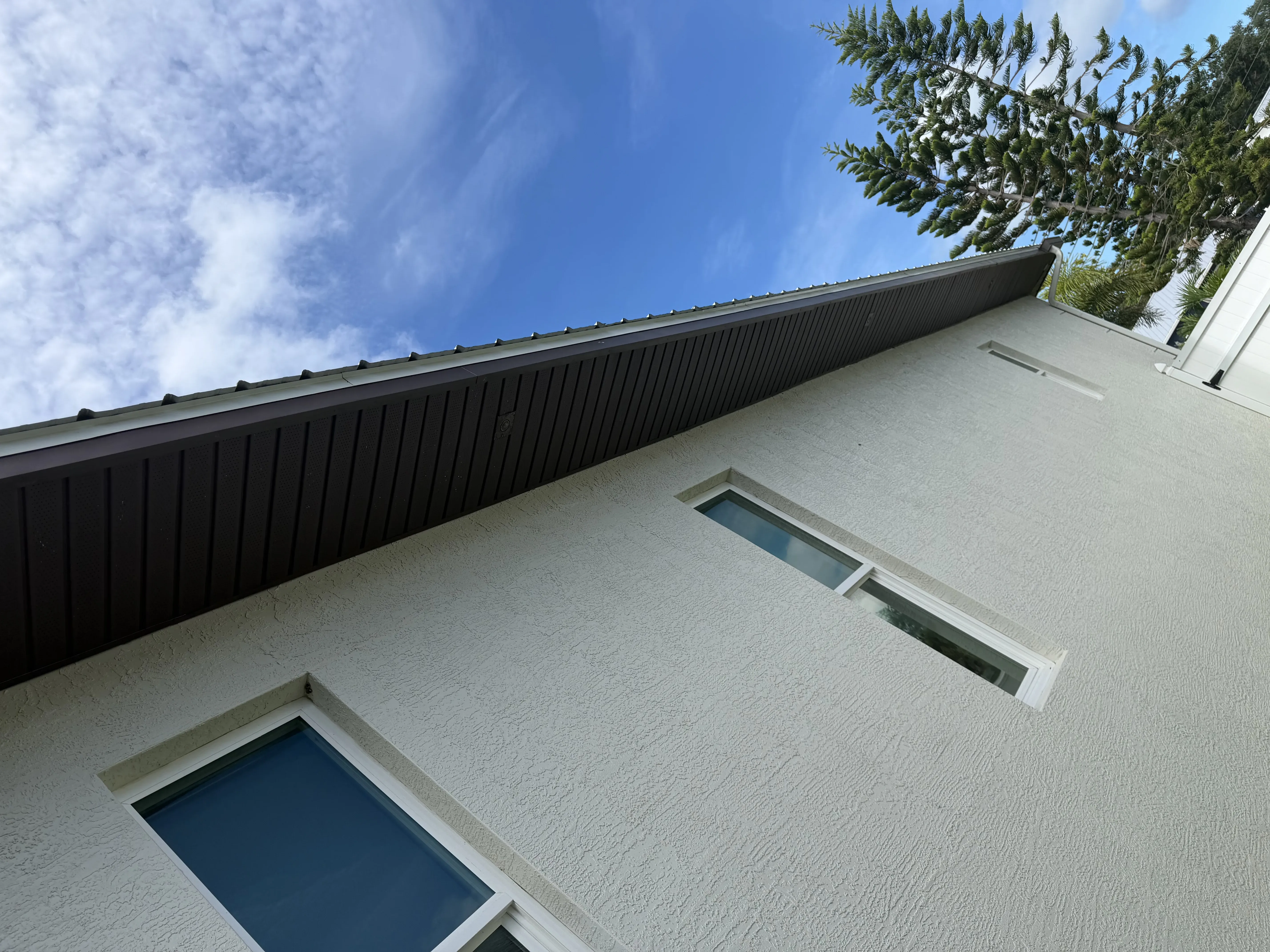
Maintaining Your Soffit After Repairs to Prevent Future Damage
The work doesn't end once the contractor packs up. Keeping your soffit in top condition requires a simple but consistent commitment - one that pays off by extending the life of the repair and protecting the broader roofing system from cascading deterioration.
Schedule Inspections With Roof Checks
The most practical habit is incorporating soffit inspections into every routine roof assessment. Walk the perimeter and look for early signs of peeling, discolouration, sagging, or pest activity. Problems caught at this stage are far easier to address than deterioration that has already spread to adjacent framing or ventilation components.
Small Steps, Lasting Protection
Clear debris from overhangs after storms, ensure ventilation openings stay unblocked, and reseal minor gaps before moisture takes hold. Treating soffit repair as an ongoing maintenance commitment - rather than a one-time fix - is the most reliable way to prevent the kind of extensive damage that demands urgent, costly intervention down the line.
FAQ - Frequently Asked Questions
What is soffit and why is it important for my home?
Soffit is the horizontal panel running beneath your roof overhang that seals the gap between the roofline and the exterior wall. It serves two critical functions: it blocks moisture, wind-driven debris, and pests from reaching the structural framing underneath, and it regulates airflow into the attic. Without proper soffit ventilation, heat and moisture accumulate, accelerating deterioration of insulation, rafters, and roof sheathing. This makes soffit a functional component essential to protecting your entire home's integrity, not merely a finishing detail.
What are the main causes of soffit damage?
Soffit damage typically results from a combination of ongoing stressors. Prolonged moisture exposure saturates the material, causing rot, warping, and mold growth. Pest activity-including birds, wasps, and rodents-creates entry points that expand over time. Improper installation leaves gaps and weak joints that allow water and debris to infiltrate from the start. Additionally, physical collisions from ladders or falling branches can crack or dislodge panels, and relentless exposure to ultraviolet rays, wind, and temperature changes gradually weakens even well-installed materials.
Why is it important to repair soffit damage promptly?
Neglected soffit deterioration rarely stays local and can cascade into framing, roofing systems, and interior walls before most homeowners notice anything wrong. Timely soffit repair prevents minor deterioration from spreading deeper into structural components, protecting the long-term integrity of your entire building. Addressing problems early helps you avoid costly emergency interventions down the road and prevents damage from compromising both the protective and ventilation functions that soffit provides.